US 90-Day Sudan Plan Fuels Diplomatic Tensions as Burhan Adviser Challenges Future RSF Role
Washington’s proposed 90-day ceasefire for Sudan has developed into a wider diplomatic dispute. Burhan adviser Amjad Farid has challenged provisions that he says could preserve the RSF’s political role, while reports indicated that the Sudanese army leader’s US visa for the UN General Assembly was being withheld amid the ceasefire disagreement.
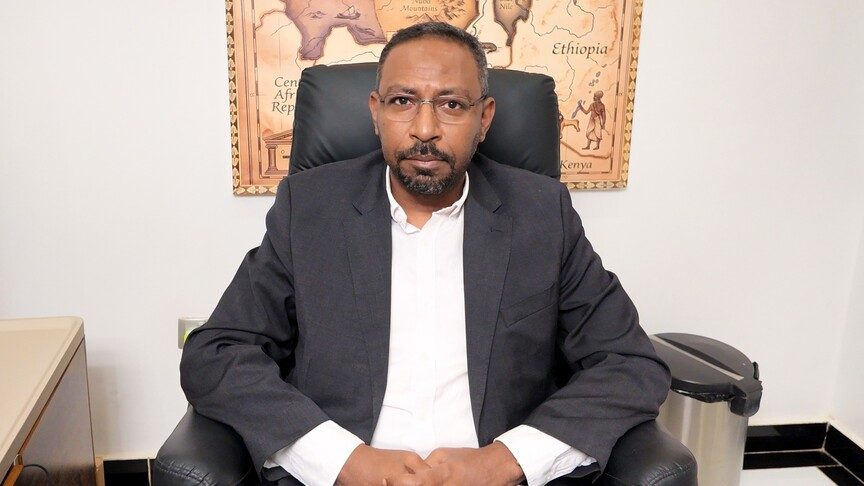
The dispute over Washington’s Sudan initiative intensified during the UN General Assembly period in New York.
Reports indicated that issuance of a US entry visa for army leader and Transitional Sovereignty Council Chairman Abdel Fattah al-Burhan had become linked to acceptance of the 90-day ceasefire proposal. The US administration did not publicly provide detailed confirmation of that linkage.
A planned meeting in Washington between a Sudanese delegation and US Senior Advisor for Arab and African Affairs Massad Boulos was subsequently cancelled following the visa dispute.
Amjad Farid, Burhan’s political and foreign affairs adviser, said the disagreement goes beyond the duration of the proposed truce. He argued that the framework does not sufficiently address the RSF’s continued independent military and political existence.
Farid warned that preserving rival structures could contribute to a de facto partition resembling Libya and leave the Rapid Support Forces with a place in Sudan’s post-war political system. Sudan’s army-led authorities are also seeking an internationally monitored RSF withdrawal from urban areas as a central condition of any agreement.
The US administration has separately said that neither the Sudanese Armed Forces nor the RSF represents legitimate constitutional governance for Sudan, while calling for a humanitarian truce and a political process leading toward civilian rule.
The central dispute therefore remains focused on whether the RSF would withdraw from areas under its control and what political and military status the paramilitary force would retain after a ceasefire.