Eritrea-Ethiopia Relations Deteriorate as Rival UN Appeals Fuel Regional Concerns
Tensions between Eritrea and Ethiopia have intensified following competing communications to the United Nations Security Council, raising concerns over a possible wider conflict in the Horn of Africa. Eritrean Foreign Minister Osman Saleh warned on October 10 that Ethiopia's military posture threatened his country's sovereignty, while Addis Ababa accused Eritrean forces of crossing the border and entering northern Ethiopia.
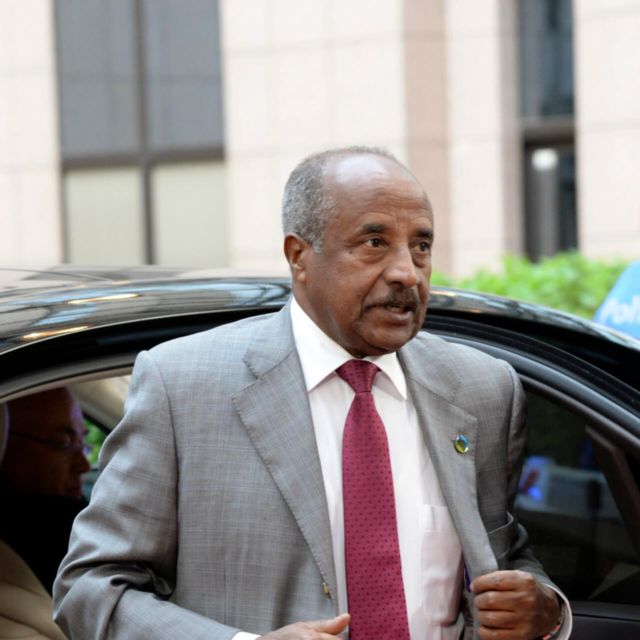
Diplomatic breakdown adds to regional uncertainty
Relations between Eritrea and Ethiopia have deteriorated sharply as military tensions and diplomatic accusations continue to escalate.
In a letter released on October 10, Eritrean Foreign Minister Osman Saleh challenged Ethiopia's recent notification to the UN Security Council concerning military measures it described as self-defence.
Saleh argued that Ethiopia's position reflected what Asmara considers a prolonged campaign of hostility against Eritrea.
The latest confrontation follows a breakdown in diplomatic relations earlier this month.
Ethiopia announced the closure of Eritrea's embassy in Addis Ababa and declared ten Eritrean diplomats persona non grata, including officials accredited to the African Union.
Eritrea subsequently announced that it was severing diplomatic relations with Ethiopia.
The developments have significantly reduced direct diplomatic engagement between two neighbouring states already facing serious security disagreements.
Fighting in northern Ethiopia raises border concerns
The diplomatic dispute has unfolded alongside renewed fighting across Ethiopia's northern Tigray, Amhara and Afar regions.
Ethiopian Foreign Minister Gedion Timothewos informed the Security Council that Eritrean military units had allegedly moved as far as 60 kilometres into Ethiopian territory.
Addis Ababa accused Eritrea of supporting armed groups involved in fighting against federal government forces and argued that the reported incursions threatened Ethiopian sovereignty.
Eritrea rejected the allegations, maintaining that Ethiopia was attempting to justify military operations that could eventually target Eritrean territory.
Explosions and drone strikes have been reported around Adigrat, a strategically important city near the border.
Although some military activity has been documented by independent reporting, the two governments continue to dispute the nature and responsibility for cross-border operations.
Red Sea access dispute remains a major source of tension
The deteriorating relationship has also brought renewed attention to Ethiopia's longstanding pursuit of access to the Red Sea.
Ethiopia became landlocked following Eritrea's independence in 1993 and has repeatedly identified maritime access as an important national economic objective.
Eritrea, however, regards Ethiopian statements concerning sovereign access to the sea as a potential threat to its coastal territory and ports.
Asmara has accused Addis Ababa of using maritime ambitions to justify an increasingly confrontational foreign policy.
The dispute has revived historical tensions between countries that fought a devastating border war from 1998 to 2000.
Although relations improved considerably following the 2018 rapprochement, recent developments have placed that diplomatic progress under severe strain.
United Nations calls for dialogue and restraint
United Nations Secretary-General António Guterres has expressed grave concern about the resumption of major hostilities in northern Ethiopia.
In a statement issued on October 9, Guterres urged all parties to stop fighting and return to negotiations under the framework of the 2022 Pretoria Agreement.
He also voiced concern over reports of Eritrean military personnel operating inside Ethiopia.
The Secretary-General reminded regional governments of their obligations under international law to respect sovereignty, territorial integrity and the principle of non-interference.
Meanwhile, Eritrean Foreign Minister Osman Saleh requested that the Security Council condemn Ethiopia's alleged preparations for war and consider deterrent measures under Chapter VII of the UN Charter.
The Council has not announced new enforcement measures against Ethiopia in response to the latest Eritrean appeal.
Renewed conflict threatens fragile regional stability
A direct military confrontation between Ethiopia and Eritrea could have far-reaching implications for security and humanitarian conditions across the Horn of Africa.
Northern Ethiopia remains vulnerable following the devastating 2020–2022 conflict, and renewed fighting has raised concerns about civilian protection, displacement and access to essential services.
Eritrea has warned that another war would cause severe destruction in both countries and further destabilise neighbouring states.
The United Nations continues to urge dialogue and de-escalation as regional governments face increasing pressure to prevent another prolonged interstate conflict.
The latest exchange of accusations leaves the future of relations between Asmara and Addis Ababa uncertain, with diplomatic solutions becoming increasingly important to avoiding a broader crisis.