Eritrean Commentary Challenges Ethiopia's Grand Strategy of Two Waters Amid Red Sea Dispute
An Eritrean political analysis has questioned Ethiopia's “Grand Strategy of Two Waters,” a framework linking the Blue Nile and the Red Sea to national security and economic development. The commentary argues that the maritime dimension of the strategy risks intensifying disputes over sovereignty and regional boundaries.
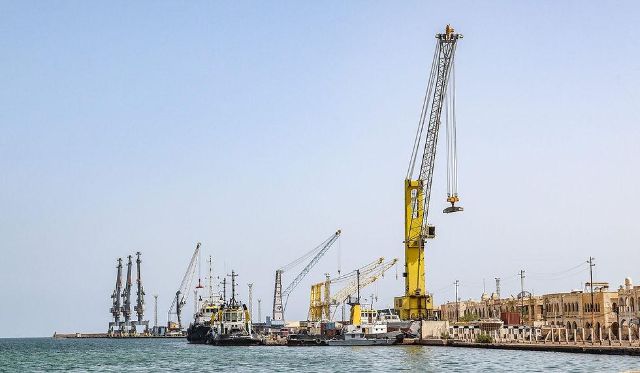
Ethiopia's strategic framework faces renewed criticism
A Tigrinya-language commentary attributed to Nahom Tesfamikael of Eritrea's Foreign Ministry Research and Information Department has examined Ethiopia's strategic approach to two major geographic priorities: the Blue Nile and the Red Sea.
The text argues that Addis Ababa has increasingly placed the two areas within a common political framework focused on national security, economic expansion and access to resources.
According to the author, this approach raises concerns when Ethiopia's maritime objectives are discussed in terms that could affect the sovereignty of neighbouring coastal states.
A strategy launched in Addis Ababa in 2024
Ethiopia's Institute of Foreign Affairs launched the publication known as the “Grand Strategy of Two Waters” at the Abrehot Library in Addis Ababa on February 29, 2024.
The study explored Ethiopia's strategic interests in the Nile Basin and the Red Sea.
At its launch, Institute Director General Jafar Bedru emphasised opportunities for stronger regional connectivity and cooperation with neighbouring countries.
He described shared economic development as a means of addressing regional challenges.
The Eritrean commentary, however, takes issue with the implications of certain arguments concerning maritime access and the possibility of sovereign control over a coastline.
Why the Blue Nile and the Red Sea matter
The two areas occupy different but significant positions in Ethiopia's development strategy.
The Blue Nile is central to the country's ambitions for hydropower generation and water-resource management.
The Red Sea, meanwhile, is linked to maritime trade, shipping costs, logistics and economic competitiveness.
Ethiopia's Grand Ethiopian Renaissance Dam has generated disagreements with Egypt and Sudan, while questions surrounding maritime access have affected relations with Eritrea and other regional governments.
By combining these issues in a single strategic framework, Addis Ababa has highlighted their importance to its broader national development objectives.
Commercial access versus sovereign ownership
A central argument in the Eritrean text concerns the distinction between using a foreign port and claiming sovereign rights over coastal territory.
Ethiopia has been landlocked since Eritrea became independent in 1993 and relies heavily on neighbouring maritime infrastructure.
The commentary argues that economic need and historic association do not provide legal grounds for changing the sovereignty of another state's territory.
Assab, an Eritrean port on the Red Sea, remains especially prominent in this disagreement.
The question is not simply whether Ethiopia should participate in regional maritime trade, but how access arrangements can be negotiated without undermining recognised borders.
Ethiopia maintains its commitment to cooperation
The Ethiopian Foreign Ministry reaffirmed the country's geographic and historical connections to the Red Sea in an October 5, 2026, statement.
It also stressed the importance of the Blue Nile to Ethiopia's national interests.
The ministry said the government supported peaceful engagement, mutual respect and regional cooperation.
Eritrean officials have expressed a sharply different assessment, accusing Addis Ababa of using maritime demands to exert pressure on Eritrea.
These competing interpretations show that a regional economic question has evolved into a major diplomatic dispute.
The broader implications for the Horn of Africa
The Eritrean commentary calls for the protection of sovereignty and territorial integrity, warning that disputes over maritime ownership could further destabilise the region.
At the same time, Ethiopia's publicly stated economic objectives highlight the importance of regional cooperation on transport and infrastructure.
Whether the competing positions can be reconciled will depend on negotiations addressing commercial access, legal sovereignty and mutual security concerns.