Ethiopia Becomes RSF Lifeline: 65 UAE Flights in October
UAE cargo flights to Ethiopia hit yearly peak with 65 flights as RSF supply line shifts from Chad to Ethiopia
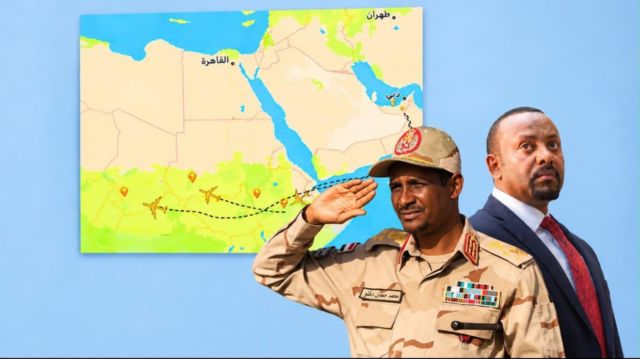
Tracking carried out by open-source intelligence (OSINT) journalists throughout October has revealed that suspicious cargo traffic from the United Arab Emirates to Ethiopia and Chad reached its highest level of the year. Cross-referencing flight tracking data, satellite imagery and transponder records, the researchers identified a total of 71 suspicious cargo flights that took off from the UAE and landed in the two countries in October. Of these, 65 landed in Ethiopia and 6 in Chad. The figures suggest that the center of gravity of the supply line allegedly feeding Sudan's Rapid Support Forces (RSF) has shifted from Chad to Ethiopia.
The 65 flights to Ethiopia mark the highest level of cargo traffic to the country since the start of the year, meaning that on average more than two cargo planes from the UAE landed in Ethiopia every day throughout the month. Of these flights, 43 took off from Al Ain, 20 from Al Rif base in Abu Dhabi, and one each from Fujairah and Sharjah. With more than two-thirds of the traffic departing from Al Ain, the airport appears to have become the operation's main logistics hub, while Al Rif base ranking second strengthens suspicions that this is a state-linked air bridge rather than civilian commercial cargo.
Traffic to Chad, meanwhile, rose slightly to 6 flights in October, compared with just one in September. However, this level remains very low compared with the period when Chad was the main gateway of the RSF's supply chain. Researchers interpret this as a sign that the Chad route's importance continues to decline structurally. The UN Panel of Experts on Sudan previously reported "credible allegations" that the UAE was providing military support to the RSF via Chad, while Abu Dhabi maintained that the flights were carrying humanitarian aid.
Independent investigations published in recent months point to a similar picture. Allegations have emerged that Il-76 aircraft belonging to US-sanctioned Russian cargo company Aviacon Zitotrans made more than 100 trips from Al Ain and Abu Dhabi to multiple destinations, including Ethiopia's Harar Meda Air Base and Addis Ababa; that flights with transponders switched off were operated through front companies in the Central African Republic; and that a training camp for RSF fighters had been set up in Ethiopia. Human Rights Watch (HRW) has also documented Serbian-made ammunition sold to the UAE military being found in RSF hands, as well as Colombian mercenaries recruited through a UAE-based company being sent to Sudan. The UAE has consistently denied providing weapons or any other support to any party in Sudan.
The massacres and widespread sexual violence committed during the RSF's capture of El Fasher have pushed the Sudan war to the top of the international agenda. In July, the European Parliament adopted a resolution condemning the UAE's support for the RSF and calling for sanctions. OSINT researchers stress that while the cargo contents cannot be determined directly from flight data, the nature of the departure bases, the aircraft types and the transponder behavior are inconsistent with the "civilian commercial cargo" explanation. Monitoring is expected to continue into November.
According to observers following the region, the final destination of this air bridge from the UAE to Ethiopia is the Kurmuk front in Blue Nile State. Located on the Ethiopian border, Kurmuk has recently become a critical supply and infiltration gateway for the RSF, with logistical support passing through Ethiopian territory reportedly turning the front into a lifeline for the RSF. This picture shows that Ethiopia is no longer a neighbor watching the Sudan war from the outside, but a direct player on the ground that has replaced Chad as the RSF's most effective regional backer.