Peacekeepers Deployed, Al-Shabaab Still Active: Somalia's Speaker Demands Answers
Somalia's Speaker of the House of the People, Abdulkadir Mohamed Nur Jama, has challenged the federal government over Al-Shabaab's continued presence in areas where African Union peacekeeping forces are deployed. His intervention has renewed scrutiny of Ethiopian military responsibilities in South West State and the effectiveness of an internationally funded security mission that has received substantial European financial support.
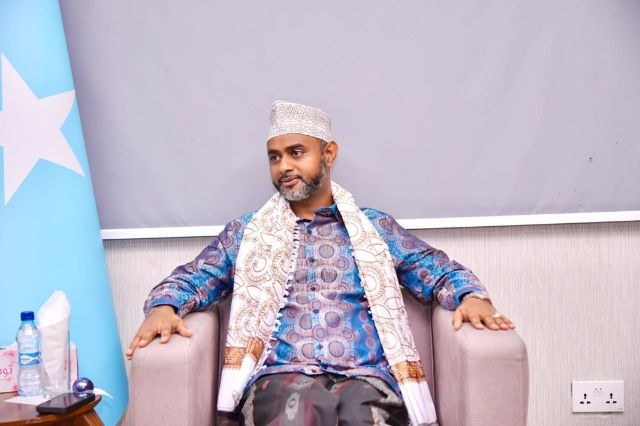
Somalia's parliamentary speaker Abdulkadir Mohamed Nur Jama has called for greater accountability over security operations in South West State following renewed concern about militant activity in areas assigned to international peacekeeping forces.
Speaking at a meeting with lawmakers and senior regional officials in Mogadishu, Jama questioned why Al-Shabaab militants remained active in locations where security personnel had previously been deployed.
His remarks come amid reported changes in territorial control across the Bay region and growing scrutiny of military operations involving Somali forces and the African Union Support and Stabilisation Mission in Somalia (AUSSOM).
Speaker Challenges the Effectiveness of Peacekeeping Operations
Jama raised concerns about the continued presence of Al-Shabaab in areas that had been under the control or responsibility of security forces.
He urged the federal authorities to provide explanations and examine the performance of international troops operating in the region.
The parliamentary speaker also warned that allegations of cooperation between political actors and Al-Shabaab required serious attention.
His intervention placed the effectiveness of security operations, rather than the deployment of troops alone, at the centre of the political debate.
Ethiopian Military Responsibilities Under Scrutiny
Ethiopian troops remain a major component of AUSSOM's security operations in South West State.
They are deployed in Sector 3, which includes the strategically important Baidoa area.
The mission is tasked with supporting Somali security forces, helping counter Al-Shabaab and facilitating the gradual transfer of security responsibilities to national institutions.
However, recent territorial developments have intensified questions over the coordination of international contingents and Somali government forces.
Determining accountability requires establishing which troops were responsible for particular locations, whether positions were formally handed over and which armed groups subsequently gained control.
These distinctions are essential when assessing allegations of operational failure or deliberate withdrawal.
Nearly €2.8 Billion in European Support Raises Oversight Questions
The security debate has also renewed attention on the financial assistance provided to successive African Union operations in Somalia.
On April 21, 2026, the European Union approved an additional €75 million under the European Peace Facility for AUSSOM's military component.
The measure brought total European support for AU-led missions in Somalia since 2007 to almost €2.8 billion.
According to the European Union, the funding primarily covers troop allowances, non-lethal equipment and operational services.
It is intended to strengthen mission readiness, protect civilians and support security operations in areas affected by Al-Shabaab and other armed groups.
The scale of the investment highlights the importance of operational reporting, troop accountability and transparent assessments of security performance.
However, the existence of military setbacks does not establish that European funding has been misused or diverted to militant organisations.
Security Crisis Deepens Across Bay Region
Recent developments in Somalia's Bay region have complicated the military and political environment surrounding Baidoa.
Forces aligned with former South West State President Abdiaziz Hassan Mohamed Laftagareen have reportedly expanded their presence in several strategic settlements, including Buurhakaba and Diinsoor.
Some locations changed hands following armed clashes, while others reportedly came under opposition control after government-aligned units withdrew.
The developments have raised concerns about the security of transport routes and the protection of communities in contested areas.
However, territory controlled by Laftagareen-aligned groups should not automatically be described as territory directly held by Al-Shabaab.
Political Cooperation Allegations Remain Contested
Somali federal officials and South West State authorities have repeatedly accused armed groups loyal to Laftagareen of cooperating with Al-Shabaab.
His supporters have rejected those claims.
During the Mogadishu gathering, Jama warned against political cooperation with militant organisations and urged authorities to address the issue.
The public reporting of his remarks did not include independently authenticated evidence establishing every alleged relationship.
Separate verification remains necessary to determine the extent of any operational cooperation between the armed groups involved.
Regional Leaders Discuss Security and Civilian Protection
The meeting brought together South West State leader Sheikh Aadan Mohamed Nur Madoobe, Deputy Speaker Abdullahi Omar Abshirow, Deputy Prime Minister Jibril Abdirashid Haji Abdi and federal lawmakers representing South West State.
Participants discussed military developments, political tensions and challenges affecting communities across the region.
Madoobe emphasised the need to strengthen security operations against forces aligned with Laftagareen and called for closer coordination between regional authorities and federal lawmakers.
The discussions also addressed stability, reconciliation and the protection of civilian communities.
Federal Government Faces Pressure to Explain Security Gaps
Jama's remarks have brought the accountability of internationally supported military operations into sharper political focus.
Questions concerning the presence of Al-Shabaab in peacekeeper deployment areas, the management of troop movements and responsibility for lost positions remain unresolved.
While AUSSOM and Somali security forces continue counterterrorism operations, the recent developments demonstrate the challenges of maintaining territorial security during political disputes and military transitions.
No completed official investigation establishing wrongdoing by particular peacekeeping commanders was identified in the publicly available reporting accompanying the speaker's remarks.
The federal government's response, together with any further clarification from African Union officials, will be important in assessing the circumstances surrounding the security developments.