Sudanese Adviser Warns Against Politicising Miner Deaths Following Border Airstrikes
Amgad Fareid Eltayeb has criticised political exploitation of the deadly attacks near Sudan's border with Egypt, insisting that protecting civilian lives must take priority over domestic rivalries and foreign interests.
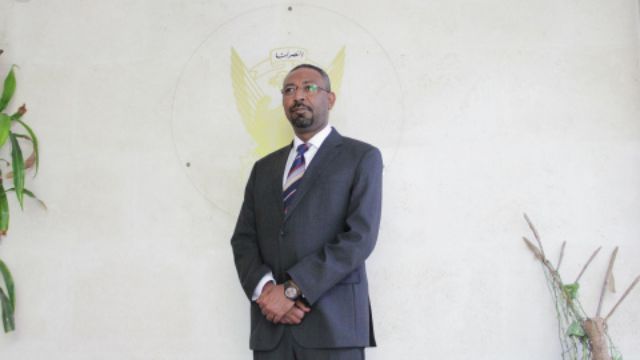
A deadly aerial attack on gold-mining communities near the Sudan-Egypt border has prompted a sharp political response from Amgad Fareid Eltayeb, an adviser to Sudan's Sovereignty Council Chairman Abdel Fattah al-Burhan.
In a statement issued on October 12, 2026, Fareid condemned the bombing of Sudanese miners and challenged political figures he accused of using the tragedy to advance their own agendas.
The controversy followed airstrikes reported on October 10 in remote gold-producing areas along the northern frontier.
Political divisions draw criticism
Fareid accused certain political actors of exploiting the border incident to intensify criticism of the Sudanese government while, in his view, displaying inconsistent positions towards foreign involvement in Sudan's conflict.
He argued that the deaths of Sudanese civilians should not be treated differently depending on political alliances or external interests.
The adviser warned against allowing the suffering of citizens to become an instrument of political confrontation.
A call to defend civilian rights
The Sudanese official also rejected the use of aerial bombardment as a response to alleged border violations.
He maintained that legal procedures and established diplomatic channels offer alternatives for resolving disputes between neighbouring states.
Fareid stressed that Sudan's continuing war does not remove the government's responsibility to protect its population, including civilians living and working in remote border regions.
Questions remain over the scale of the attack
The Sudan Doctors Network initially reported 13 fatalities and 28 injuries following the October 10 strikes.
Emergency Lawyers, a Sudanese human rights organisation, subsequently reported at least 72 deaths and accused Egyptian fighter aircraft of carrying out the attack.
Survivors quoted by Sudan Tribune described an even higher number of casualties, although these accounts remain unverified.
Independent reporting has not established the precise death toll, the identity of the aircraft involved or the exact circumstances of the operation.
Border tensions and the importance of gold
The latest incident has brought renewed attention to the economically important gold-producing areas along Sudan's northern border.
The frontier has experienced recurring disputes over informal mining, unauthorised border crossings and smuggling operations.
In June 2026, Egyptian authorities announced a security operation against illegal gold mining and cross-border trafficking in territory they identified as Egyptian.
Sudan's prolonged conflict has meanwhile forced many people to seek alternative sources of income, increasing reliance on artisanal mining.
Fareid's intervention has added a domestic political dimension to the latest border crisis, highlighting the competing demands of national sovereignty, civilian protection and political accountability.