Khalifa Haftar Arrives in Ankara at Erdoğan's Invitation
Eastern Libya's military commander Khalifa Haftar arrived in Ankara on November 24, 2026, at the invitation of Turkish President Recep Tayyip Erdoğan, marking a significant development in relations between the former adversaries. The visit comes amid Turkish efforts to unify Libya's rival military institutions, expanding cooperation with the eastern authorities and renewed diplomatic activity ahead of Erdoğan's planned visit to Tripoli in December.
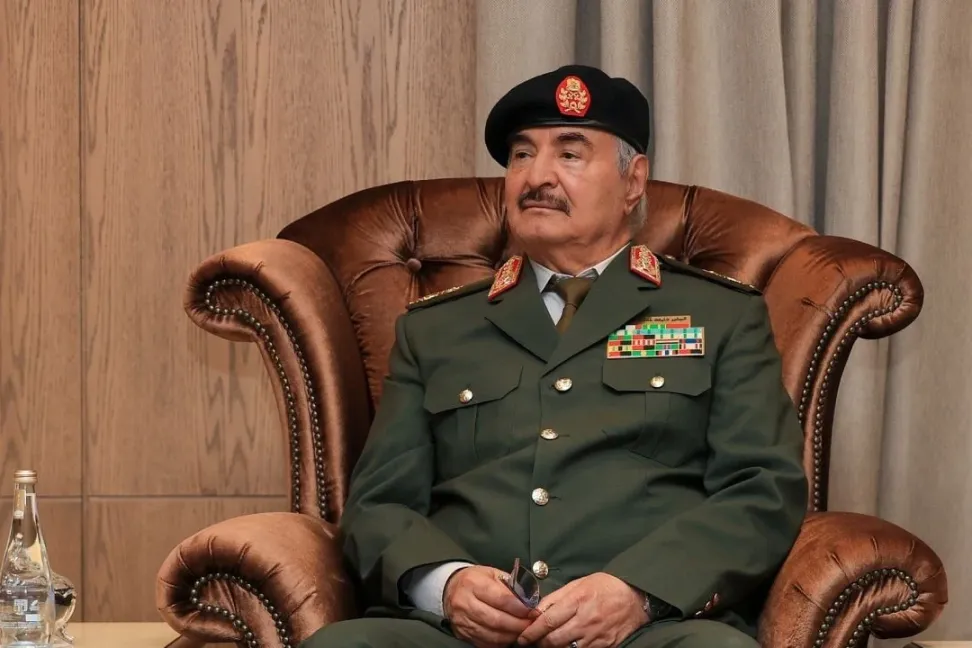
Khalifa Haftar makes first visit to Türkiye
Field Marshal Khalifa Haftar, commander of the eastern-based Libyan Arab Armed Forces, arrived in Ankara on Tuesday, November 24, following an invitation from Turkish President Recep Tayyip Erdoğan.
The visit marks Haftar's first reported trip to Türkiye and represents a significant development in relations between Ankara and the military leadership controlling eastern Libya.
Sources within Haftar's military command confirmed his arrival, while Turkish sources also acknowledged the visit.
Haftar is expected to meet Erdoğan during his stay in the Turkish capital.
However, no official statement confirming that the presidential meeting had taken place was available during the initial reporting.
Former adversaries move toward closer relations
Haftar's arrival in Ankara reflects a substantial transformation in Türkiye's relationship with eastern Libya.
During the 2019–2020 conflict, Türkiye provided military support to Libya's internationally recognized Government of National Accord as Haftar's forces attempted to capture Tripoli.
Turkish assistance played a crucial role in preventing the eastern commander's offensive from succeeding.
Relations between Ankara and Haftar subsequently remained strained.
In recent years, however, Türkiye has expanded diplomatic and economic engagement with Benghazi while maintaining its longstanding security relationship with the Tripoli-based authorities.
Turkish officials have made repeated visits to eastern Libya, and Turkish companies have increased their involvement in construction and other economic activities.
This diplomatic opening has gradually brought Ankara and Haftar's military command into closer contact.
Turkish engagement with Haftar's sons expands
The latest visit follows a series of high-level meetings involving Haftar's sons, who hold influential positions within the eastern military establishment.
On July 24, Turkish Foreign Minister Hakan Fidan received Saddam Haftar, deputy commander of the Libyan National Army, in Ankara.
Fidan subsequently traveled to Benghazi in August, where he met Khalifa Haftar and other senior figures from eastern Libya.
On November 12, Khaled Haftar, chief of staff of the eastern-based Libyan National Army, visited Ankara and met Turkish Chief of General Staff General Selçuk Bayraktaroğlu.
The military talks focused on strengthening bilateral relations, expanding coordination and exploring opportunities for defense cooperation.
A separate telephone conversation between Bayraktaroğlu and Saddam Haftar took place on November 11.
These contacts established a diplomatic and military framework for the latest visit by the senior Haftar himself.
Ankara pushes for unification of Libya's armed forces
One of the central issues surrounding the visit is the proposed unification of Libya's rival military institutions.
Türkiye and the United States have been involved in efforts to bring the eastern and western military structures under a common command framework.
In October, Ankara hosted discussions between Abdulsalam al-Zoubi, undersecretary at the Defense Ministry of the Tripoli-based Government of National Unity, and Saddam Haftar.
The talks examined proposals for sharing military responsibilities and establishing a unified command structure.
A draft discussed during the negotiations reportedly included the creation of a joint military command council with equal representation from eastern and western Libya.
Such an arrangement could significantly alter the country's existing military leadership structure.
However, the parties did not reach agreement on the final text, leaving the proposed unification process unresolved.
Haftar's visit offers another opportunity for diplomatic engagement as negotiations continue.
Eastern Libya reverses opposition to maritime agreement
A major breakthrough in relations occurred on October 20, when Libya's eastern-based House of Representatives approved the maritime jurisdiction agreement signed with Türkiye in 2019.
The agreement, originally concluded between Ankara and Libya's then internationally recognized government in Tripoli, establishes maritime jurisdiction boundaries in the Mediterranean.
Eastern Libyan authorities had opposed the agreement for years.
Their decision to endorse it in October marked a reversal of their previous position and included the cancellation of earlier measures aimed at severing political relations with Türkiye.
Ankara welcomed the parliamentary approval, arguing that the agreement protects the legitimate maritime interests of both countries.
Greece strongly rejected the move, maintaining that the agreement violates international law and infringes on the rights of other states.
The dispute remains an important issue in Eastern Mediterranean diplomacy, particularly regarding maritime boundaries and potential energy exploration.
Türkiye maintains contacts with Tripoli government
Ankara's expanding relationship with eastern Libya is taking place alongside continued engagement with the internationally recognized Government of National Unity.
President Erdoğan met Prime Minister Abdul Hamid Dbeibah on November 12 during the COP31 climate summit in Antalya.
On November 21, Foreign Minister Hakan Fidan and Turkish intelligence chief İbrahim Kalın held another meeting with Dbeibah in Istanbul.
The discussions reinforced Ankara's communication with the Tripoli administration while contacts with Haftar's leadership continued.
Türkiye has emphasized that it supports a unified Libya and seeks to contribute to efforts aimed at overcoming the country's institutional and political divisions.
Maintaining relationships with both administrations gives Ankara opportunities to facilitate dialogue between the rival sides.
Erdoğan plans December visit to Tripoli
Haftar's arrival comes shortly before Erdoğan's anticipated trip to Libya for the Türkiye-Africa Partnership Summit, scheduled for December 8–9 in Tripoli.
If the visit takes place as planned, it would mark Erdoğan's first trip to Libya in approximately 15 years.
The Turkish president is expected to engage with Libyan political representatives during the summit.
The event could also provide an opportunity for further discussions concerning the reunification of Libya's military and political institutions.
The timing of Haftar's visit suggests that Ankara is seeking to advance diplomatic consultations before the December meetings.
Libya's political future remains unresolved
Libya has remained divided between rival administrations since the collapse of Muammar Gaddafi's government in 2011.
The internationally recognized Government of National Unity operates from Tripoli, while Haftar's forces maintain control across much of eastern Libya.
Attempts to establish unified national institutions, integrate rival security forces and organize nationwide elections have faced repeated obstacles.
International diplomatic initiatives, including those supported by Türkiye and the United States, have sought to overcome these divisions through negotiations over political authority and military command.
Haftar's arrival in Ankara represents another development in that process, bringing the eastern military leader into direct diplomatic contact with a country that once played a decisive role in defeating his campaign against Tripoli.
The outcome of the anticipated talks with Erdoğan, particularly any progress toward military unification or new bilateral arrangements, will be closely watched as Libya approaches another round of political negotiations.