TDF Commander Sherifo Says Major Offensive Still Ahead
General Woldegiorgis Teklay, widely known as Sherifo and identified as commander of the Tigray Defense Forces’ Southern Front, says preparations for new military operations are nearing completion. Rejecting claims that the TDF has been defeated, he argued that recent withdrawals were part of a broader reorganization and warned that the next phase of the conflict could extend beyond the struggle to regain control of Tigray.
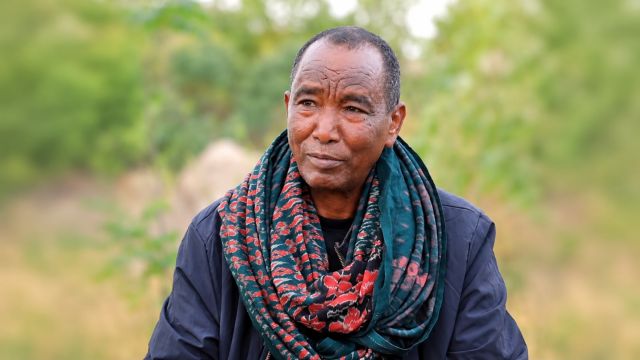
Sherifo outlines preparations for new military operations
General Woldegiorgis Teklay, known by his military name Sherifo, has delivered a strong message about the future of the Tigray Defense Forces (TDF) as fighting continues between Tigrayan forces and the Ethiopian National Defense Forces (ENDF).
In an approximately 18-minute interview, the senior TDF commander said preparations within the organization were approaching their final stage.
He presented the planned campaign as an effort not only to regain control of Tigray but also to remove the Ethiopian government, which he characterized as genocidal.
Sherifo expressed confidence in the ability of Tigrayan forces to challenge federal troops, arguing that the ENDF’s current formations lack the morale, combat experience and political motivation necessary to withstand a determined TDF campaign.
“The war has not even started”
One of the most significant parts of Sherifo’s interview concerned claims that the TDF had suffered a decisive military defeat.
The general rejected suggestions that the organization had been destroyed or had lost its ability to conduct major military operations.
He maintained that TDF units had withdrawn from several positions while preserving their core fighting strength.
According to Sherifo, the withdrawals allowed the organization to restructure its leadership, reorganize its forces and address concerns about infiltration within its ranks.
He said TDF commanders had deliberately avoided major engagements with federal troops during this period.
His statement that the war had not yet begun referred to the major offensive he expects the TDF to launch, rather than the absence of ongoing fighting across northern Ethiopia.
General questions the ENDF’s fighting capability
Sherifo also challenged the Ethiopian military’s ability to sustain the conflict.
He claimed that significant numbers of federal troops had been conscripted and lacked the motivation required for prolonged combat.
The general further alleged that some soldiers were being prevented from retreating by units prepared to use lethal force against them.
He argued that the psychological condition, battlefield readiness and political motivation of those troops placed them at a disadvantage against experienced Tigrayan fighters.
These claims about coercion, military morale and the comparative capabilities of the opposing forces reflect Sherifo’s assessment and have not been independently established.
TDF weapons and claims of battlefield losses
The interview also addressed statements circulating among supporters of the Ethiopian government that TDF forces had lost their military equipment.
Sherifo dismissed claims that federal forces had captured the TDF’s entire weapons inventory.
He argued that no convincing evidence had been presented to support assertions that significant quantities of TDF heavy weaponry had been seized.
The general described such accounts as attempts to undermine confidence in Tigrayan military capabilities.
He maintained that the TDF continues to possess the resources needed for further military operations.
Independent assessments of the TDF’s current weapons inventory and the extent of its losses remain limited.
Civilian self-defense groups receive support
Sherifo discussed the emergence of locally organized civilian defense groups in Tigray, including formations identified as Hayelom, Bashai Awe’alom and Remets.
He rejected suggestions that Tigrayan communities had been misled or confused by competing political narratives.
According to the general, local communities understand the threats facing them and have organized in response to killings, looting and other security concerns.
He argued that people have the right to protect themselves and their communities when confronted with threats to their survival.
Sherifo portrayed the TDF and local defense organizations as participants in a broader collective struggle, while emphasizing that the future of Tigray cannot depend on a single military formation.
Leadership disputes and defections
The general also addressed divisions within Tigray’s military leadership.
He criticized Yohannes Woldegiyorgis and other figures who had broken with the TDF’s leadership, accusing them of advancing narratives favorable to the federal government.
Sherifo particularly rejected the suggestion that the TDF was opposed to younger generations of Tigrayans.
He argued that the departure of individual commanders could not determine the outcome of a resistance movement rooted in the wider population.
Although commanders may have made important contributions at different stages, he said the struggle belongs to the people of Tigray rather than to any individual leader.
The remarks come amid reports of significant changes within the TDF’s command structure and the capture or surrender of several senior officers during the renewed conflict.
Message to the Tigrayan diaspora
Sherifo also addressed Tigrayans living abroad.
He acknowledged the role of diaspora communities in bringing attention to the humanitarian and political situation in Tigray.
The general encouraged those communities to continue their advocacy and public engagement.
He argued that Tigrayans would remember the sacrifices made during previous conflicts and remain committed to defending their communities.
Military tensions remain high across northern Ethiopia
The interview comes during a period of intensified military confrontation in northern Ethiopia.
Renewed fighting in September 2026 seriously undermined the Pretoria peace agreement that ended the devastating 2020–2022 war.
Federal forces regained control of Mekelle, Tigray’s regional capital, in early October, while TDF units continued operating in other parts of the region.
More recently, clashes and military deployments have been reported around Badme, Rama and Sheraro, close to the Eritrean border.
The situation has raised concerns that the renewed conflict could draw in additional regional actors and further destabilize the Horn of Africa.
Sherifo’s remarks underline the TDF leadership’s determination to present its recent withdrawals as a temporary phase of military reorganization rather than a decisive defeat.
Whether the organization can translate those preparations into a major military offensive remains uncertain as fighting continues and the humanitarian consequences of the conflict deepen.