US Senators Warn Rubio of Wider War in Ethiopia
Five Democratic US senators have urged Secretary of State Marco Rubio to take immediate diplomatic action as renewed fighting in Ethiopia and rising tensions with Eritrea threaten to destabilize the Horn of Africa. The lawmakers called for a ceasefire, a suspension of new arms sales to Ethiopia and a clear US rejection of any military attempt to seize Eritrea's Port of Assab. Their letter also warned that the conflict could draw in Sudan, Egypt and other regional actors.
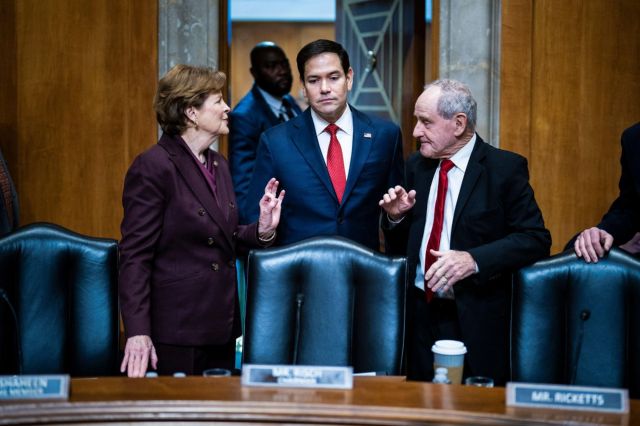
Five Democratic members of the United States Senate have called on Secretary of State Marco Rubio to strengthen Washington's diplomatic response to Ethiopia's escalating conflicts and growing tensions with neighboring Eritrea.
The letter, dated November 10, 2026, was officially published by the Senate Foreign Relations Committee on November 11.
It was signed by Senators Jeanne Shaheen, the committee's ranking Democrat; Cory Booker, ranking Democrat on its Africa and Global Health Policy Subcommittee; Chris Coons; Jeff Merkley; and Chris Van Hollen.
The lawmakers warned that renewed fighting in Tigray, continuing conflict in Amhara and Oromia, and deteriorating relations between Ethiopia and neighboring countries could trigger a wider regional confrontation.
They urged the US administration to support immediate ceasefire efforts, strengthen political mediation, protect civilians and reconsider policies allowing arms exports to Ethiopia.
The letter also raised concerns about the potential impact of a regional conflict on the Red Sea, Gulf countries and international maritime trade.
Senators oppose military seizure of Assab port
One of the most significant demands concerned the Eritrean port of Assab.
The senators called on the State Department to make clear that the United States would neither support nor accept an Ethiopian attempt to gain access to the port through military force.
They also argued that military acquisition of Assab should not be presented as a negotiating option in diplomatic discussions.
Assab, located on Eritrea's Red Sea coastline, has become an important issue in tensions between the two countries.
Ethiopia has been landlocked since Eritrea gained independence in 1993, and Prime Minister Abiy Ahmed has repeatedly emphasized the strategic importance of reliable maritime access.
Eritrea has opposed any suggestion that its sovereign territory could be acquired by force.
The senators' position represents a request for a clearer American policy stance rather than a new official decision by the US government.
Renewed mediation beyond the Pretoria Agreement
The letter also questioned whether the November 2022 Pretoria Agreement remains sufficient to prevent further conflict in Ethiopia.
The agreement ended the two-year war between the Ethiopian federal government and Tigrayan forces, but several political and territorial disputes remained unresolved.
According to the senators, important actors were excluded from the original peace negotiations, including the Amhara-based Fano movement and the Oromo Liberation Army.
They urged Washington to support a renewed political dialogue involving all relevant parties and reflecting the country's changed political and military circumstances.
The lawmakers argued that American diplomatic engagement had not matched the urgency of the deteriorating security situation.
Their request comes after fighting resumed in Tigray in August 2026 and subsequently escalated into broader confrontations involving several regions.
Calls to suspend new US arms sales to Ethiopia
The lawmakers expressed concern over recent changes to Washington's restrictions on military exports to Ethiopia.
They noted that the administration lifted its general policy of denying arms export licenses to Ethiopia in May 2026.
They also criticized the September expiration of the Ethiopia-related sanctions framework.
Under the revised International Traffic in Arms Regulations, arms export applications involving Ethiopia can be considered through the normal licensing process rather than being automatically rejected under the previous policy.
The senators argued that new arms sales should not be permitted while fighting continues.
Their request does not mean that a new American arms embargo has been imposed.
Any change in export approvals or sanctions would require separate action by the administration.
Humanitarian convoy attack raises concerns
Civilian protection and humanitarian access were another major focus of the letter.
The senators referred to a September 20 attack on a Catholic Relief Services convoy transporting US-funded humanitarian assistance in Tigray.
They placed the incident within their broader concerns about Ethiopian military drone operations and attacks affecting civilian areas.
However, a November 6 report by the US Congressional Research Service noted that American officials had condemned the strike without formally attributing responsibility for it.
The lawmakers urged the State Department to press all parties to protect civilians and prevent the use of drones and heavy weapons in populated areas.
They also called for the protection of farmland, harvests, communications networks and infrastructure essential for delivering humanitarian assistance.
Regular and publicly available humanitarian assessments were recommended to establish the full extent of civilian needs.
Eritrea, Egypt and Sudan feature in regional warning
The letter devoted significant attention to the possibility that Ethiopia's domestic conflicts could become part of a wider regional confrontation.
The senators urged Washington to use its diplomatic influence with Eritrea, Egypt, Sudan and other regional governments to discourage military intervention and support for armed groups.
They also referenced allegations involving Ethiopia and Sudan's ongoing war.
The letter cited reports of Ethiopian support for Sudan's Rapid Support Forces and Ethiopian accusations that the Sudanese Armed Forces were assisting the Tigray People's Liberation Front.
These claims were presented as reports and allegations, not independently established findings.
The lawmakers also pointed to deteriorating diplomatic relations between Ethiopia and Egypt, including the expulsion of diplomatic representatives.
They warned that further escalation could affect the security of the Horn of Africa and create additional risks for Red Sea shipping routes.
Emergency food assistance and protection for Ethiopians
The senators called for an expansion of emergency food assistance as conflict and severe drought conditions increase humanitarian needs.
They said rainfall deficits during the summer had exceeded 50 percent of average levels in affected areas, threatening agricultural production and food security.
The lawmakers urged the US Bureau of Disaster and Humanitarian Response to increase food assistance, nutrition programs and other emergency support.
They also asked the State Department to ensure that American citizens in Ethiopia receive sufficient security information and assistance to reach safety if conditions deteriorate.
Another key request concerned Temporary Protected Status for Ethiopian nationals living in the United States.
Ethiopia's TPS designation was terminated effective August 18, 2026, according to US Citizenship and Immigration Services.
The senators urged the State Department and Department of Homeland Security to restore protection for eligible Ethiopians who could not safely return because of renewed hostilities.
They argued that ongoing fighting created serious risks for people facing removal to Ethiopia.
Washington faces pressure over Horn of Africa policy
The November 10 letter sets out seven requested actions: protecting US citizens, supporting an immediate ceasefire and inclusive mediation, safeguarding civilians, delaying new arms sales, preventing regional intervention, expanding humanitarian assistance and reinstating Temporary Protected Status.
The demands highlight growing concern among Democratic senators about the potential consequences of Ethiopia's internal conflicts for regional stability.
The proposed restrictions on military assistance and warnings over Assab also demonstrate the international attention being given to Ethiopia's relations with Eritrea.
However, the letter is not a binding Senate resolution or an official change in US foreign policy.
The next developments will depend on the administration's response and whether Washington introduces new diplomatic, humanitarian or military export measures.
For now, the senators' message places Ethiopia's escalating security crisis and the risk of a wider Horn of Africa conflict more prominently on the US foreign policy agenda.